

Homeowners are always looking for ways to improve comfort, energy efficiency, and privacy without undergoing major renovations. One effective yet often overlooked solution is residential window tinting. While commonly associated with vehicles, window film technology has evolved to offer substantial advantages for homes as well. Here’s a comprehensive look at the benefits of residential window tinting and why it might be worth the investment.
1. Energy Efficiency and Cost Savings
Reduces Heat Gain
Window tinting acts as a thermal barrier, significantly reducing the amount of heat that enters through windows during hot months. This helps maintain a cooler indoor temperature, lessening the workload on air conditioning systems.
Lowers Energy Bills
By blocking solar heat, window tinting can lead to noticeable reductions in energy consumption. Homeowners often see a decrease in their monthly electricity bills, particularly during summer when cooling costs peak.
2. UV Protection for Interiors
Shields Furnishings from Fading
Prolonged exposure to UV rays can fade hardwood floors, carpets, artwork, and furniture fabrics. Window tint blocks up to 99% of these harmful rays, preserving the life and vibrancy of your interiors.
Protects Human Health
UV rays are not just damaging to belongings—they also pose risks to skin health. Tinted windows help protect residents from excessive UV exposure, which is linked to skin aging and increased risk of skin cancer.
3. Improved Privacy Without Compromising Light
Daytime Privacy
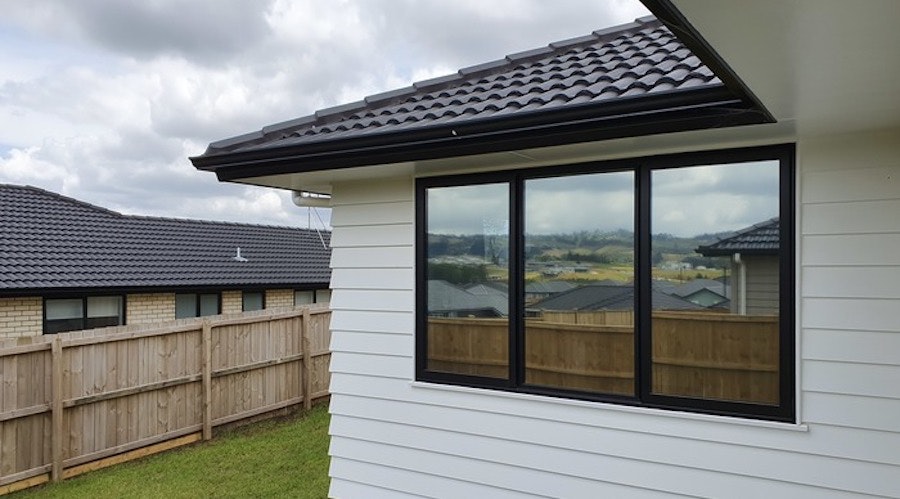
Many residential window films are designed to reflect visibility from the outside while maintaining transparency from the inside. This means you can enjoy natural light without worrying about prying eyes during the day.
Customization Options
Homeowners can choose from a variety of tints—ranging from nearly invisible to frosted or mirrored films—depending on their aesthetic and privacy preferences.
4. Enhanced Comfort and Glare Reduction
Balanced Indoor Temperature
By reducing hot spots and uneven temperature zones, window tinting creates a more comfortable environment in every room.
Reduced Screen Glare
Glare from sunlight can interfere with computer monitors, TVs, and smartphone screens. Tinted windows minimize this issue, improving comfort for work, entertainment, or relaxation.
5. Strength and Security
Shatter Resistance
Although not a replacement for security glass, some window films offer additional resistance to shattering. In the event of an impact or attempted break-in, the film helps hold the glass together, reducing the risk of injury and unauthorized entry.
Natural Disaster Protection
During storms or accidents, tinted windows with shatter-resistant properties can minimize glass-related injuries by containing broken shards.
6. Aesthetic Enhancement
Window tinting can subtly improve the exterior look of your home by creating a uniform appearance. It’s a non-intrusive way to update the look of aging windows and complement modern architectural styles.
Many homeowners turn to services like TechTeinte window tinting for expert installation and access to a range of high-performance films. Professional-grade tinting ensures precise application, durability, and results that meet both functional and visual expectations.
7. Environmentally Friendly Choice
By lowering energy use, window tinting contributes to reducing your home’s carbon footprint. It’s a simple way to align home improvements with sustainable living goals.
Conclusion
Residential window tinting offers a multi-layered return on investment—enhancing comfort, reducing energy bills, protecting your home’s interior, and improving privacy. Whether you’re looking to increase security, control sunlight, or elevate aesthetics, window tinting provides a smart, low-maintenance solution that delivers benefits year-round. As part of a well-rounded approach to home efficiency and design, it’s a feature that pays off both functionally and financially.