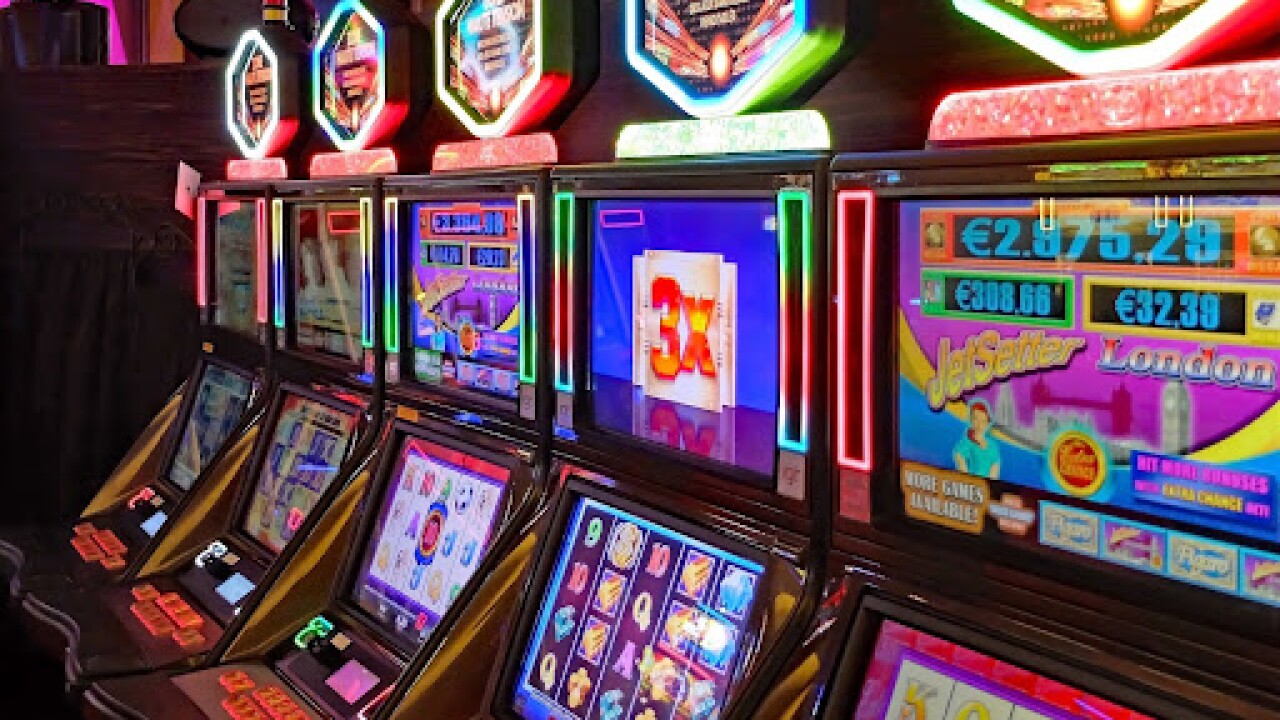


Modern symbols evolved far beyond classic fruit and bar icons. Classic machines used simple static images painted on physical reels. Digital technology removed those constraints completely. server thailand slot symbols now animate and transform, creating highly engaging and visually appealing gameplay. Classic games featured eight to ten distinct symbol types. Modern games pack dozens of unique symbols with multiple states per symbol. The functional differences extend beyond just visual upgrades – modern symbols serve gameplay roles impossible in mechanical formats.
Visual complexity differences
- Classic symbols used flat two-dimensional artwork constrained by physical reel printing limitations. Cherries looked like simple cherry drawings. Bars appeared as rectangles with “BAR” text. Sevens showed as plain numerals. Physical reels couldn’t display animation or depth. Modern symbols use detailed 3D models with full animation cycles. Characters blink, breathe, and gesture. Objects rotate, showing multiple angles. Environments behind symbols shift and move.
- Colour depth jumped from simple screen printing to millions of simultaneous colours. Classic machines used basic colour palettes limited by printing technology and reel space. Red cherries, yellow lemons, purple grapes – primary colours dominated. Modern symbols employ gradients, lighting effects, and atmospheric shading. A single modern symbol contains more visual information than an entire classic reel strip. Texture mapping adds surface details impossible in printed formats. Metallic symbols show realistic reflections. Fabric textures display weaving patterns. This detail density creates recognisable icons at a glance despite screen size constraints.
Functional capability expansion
Classic symbols existed in single static states. A cherry symbol was always identical regardless of context. Modern symbols transform based on gameplay states. Regular symbols become enhanced versions. Low-value icons upgrade to premium symbols mid-spin. Wild symbols expand, covering multiple positions. Scatter symbols animate differently when close to triggering bonuses versus appearing randomly.
Symbol layering enables complex visual hierarchies that are impossible to achieve mechanically. Foreground symbol elements sit atop background components. Character symbols stand in front of environmental backgrounds. UI elements overlay symbol positions showing multipliers or special states. Physical reels couldn’t layer elements – everything existed on flat surfaces. Digital compositing stacks unlimited visual layers, creating depth impossible in mechanical formats. Particle effects surround symbols during wins. Glow effects emanate from special symbols. These layered effects communicate function through visual language.
- Interactive symbols respond to touch inputs, revealing information or triggering selections
- Progressive symbols display changing values, updating dynamically during features
- Collectable symbols show accumulation progress through fill meters or counter badges
- Mystery symbols hide identities until they are revealed, showing question marks or covered states
- Linked symbols show connection lines to other positions when they share properties
Special symbol categories
- Classic games featured wilds and maybe scatters. That was it. Two special symbol types maximum. Modern games include dozens of specialised symbol categories, each with unique functions. Multiplier symbols carry values from 2x through 100x or higher. Collection symbols that accumulate toward meter fills. Blocker symbols occupy positions without contributing to wins. Modifier symbols that alter surrounding symbols or trigger reel changes.
- Combination symbols require multiple instances to land together before activating. Landing three key symbols unlocks features, while fewer do nothing. Symbol pairing systems where specific combinations create enhanced effects beyond individual symbols. Classic games lacked this combinatorial complexity – symbols operated independently with no interaction between types beyond basic matching requirements.
- Modern symbols serve dual roles simultaneously. A symbol might act as a regular payout icon while also contributing to collection meters. Wild symbols substitute normally but additionally carry multiplier properties. This multi-functionality creates layered gameplay, impossible when symbols serve single static purposes like classic formats demanded.
Online symbols differ fundamentally through animated 3D visuals, transformable states, layered compositions, expanded special categories, and multi-functional properties, creating gameplay depth that classic static printed symbols couldn’t deliver.