

When working with electronic devices and systems, power connections matter a lot. The right connectors help ensure safety, proper current flow, and long-lasting performance. Choosing quality components such as IEC connectors can make a big difference in the performance and safety of your setup.
Whether you are wiring a server cabinet, manufacturing equipment, or setting up a home lab — using a proper IEC power connector ensures that devices receive stable power without risk of loose connections or hazards. This is especially important in environments with heavy power demands.
What Is an IEC Connector and Why It’s Important
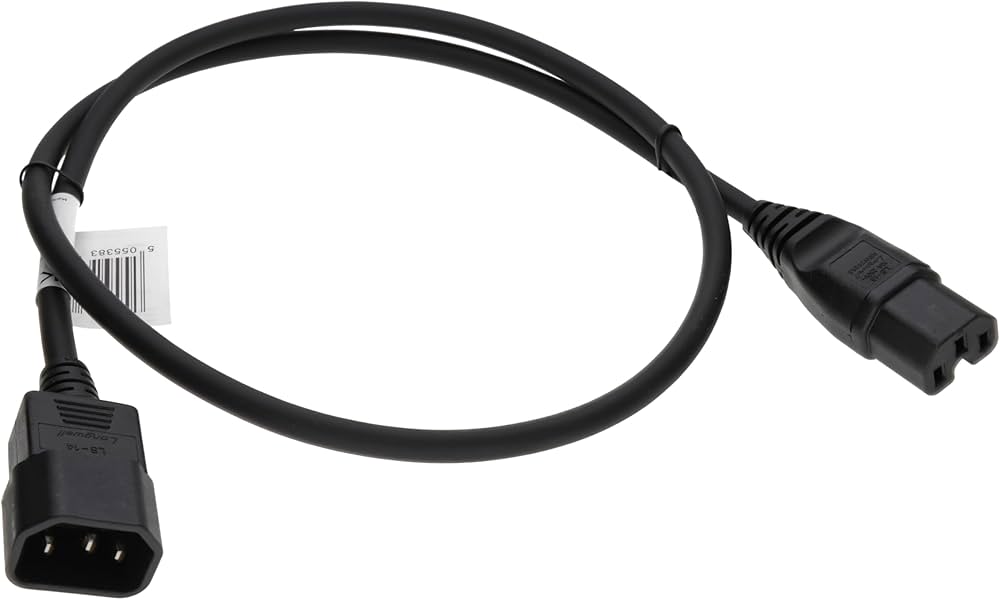
An IEC connector is a standardized type of power inlet or outlet used worldwide for equipment like PCs, power supplies, or electrical devices. It allows for a secure and universal connection. Using IEC connectors reduces the risk of soldered or non-standard wiring failures.
With an IEC power cord that matches the connector, you get neat cable management and reliable power delivery. This setup eliminates makeshift wiring, which can lead to shorts or unstable supply.
For industrial or commercial equipment, IEC connectors deliver consistent power and easier maintenance. Replacing or unplugging a lifted plug is safer and simpler than handling bare wiring or improvised power cables.
When to Use IEC Power Cords and Power Entry Connectors
Many scenarios call for safe and standardized power entry. These include:
- Server racks and data-center equipment
- Laboratory instruments and test devices
- Manufacturing machinery and automation panels
- Office equipment and UPS systems
- Any electronic system requiring detachable, safe power input
Using a quality power entry connector helps ensure you can safely connect and disconnect without risking damage to equipment or danger to users.
Benefits of Proper Power Entry Components
Choosing standardized power entry and IEC-based wiring brings many advantages:
- Safe connections that reduce risk of shocks or short circuits
- Easier plug-in/plug-out for maintenance or upgrades
- Compatibility across different devices and power cords
- Clean cabling and organized electrical layout
- Reduced hazards compared to homemade wiring setups
- Flexibility in replacing cords or connectors when needed
For any technical setup, these factors add to reliability and ease of maintenance.
When Solar or High-Current Systems Are Involved
In setups where renewable energy or high power is used, standard connectors sometimes don’t meet requirements. That’s where specialized parts like a solar fuse connector come in. For solar panels, inverters, or battery systems, these connectors are designed to handle higher loads and environmental stress.
Using proper connectors ensures safety against overload, prevents corrosion, and helps maintain stable output from solar or renewable systems. Properly rated connectors help wiring remain safe for long-term use.
How to Choose the Right Connector for Your Needs
Before selecting a connector or power entry component, consider these:
- Power rating: ensure connector supports the load of your devices
- Standard compliance: IEC-certified connectors are safer and widely compatible
- Cable quality: use properly rated cords to match current and insulation standards
- Environmental conditions: for harsh environments or solar setups, choose weather-resistant or durable connectors
- Ease of maintenance: detachable cords and standardized connectors simplify servicing
Taking time to assess these factors ensures a safe and stable power infrastructure.
Common Mistakes to Avoid with Power Entry and Connectors
Even with good parts, mistakes in installation or selection can cause issues. Some common pitfalls are:
- Using under-rated cords or connectors for high-power devices
- Improper grounding, leading to safety hazards
- Overloading a single outlet or connector beyond capacity
- Using non-standard or homemade connectors that lack safety certifications
- Ignoring environmental protection for outdoor or industrial setups
Avoiding these mistakes helps maintain longevity and avoids dangerous failures.
Best Practices for Setup and Maintenance
To ensure safe wiring and power delivery:
- Always use IEC-rated power cords and connectors where required.
- Match cord gauge to device power requirements.
- Ensure proper grounding and insulation.
- Keep wiring organized and secure to prevent strain or damage.
- Replace worn or damaged cords immediately.
- For solar or heavy setups, use properly rated fuse connectors and protective gear.
By following these steps, you minimize risk and maintain stability in power systems.
Why Quality Components Matter for Long-Term Use
Cheap or poorly made connectors may seem cost-effective at first. But over time, they can lead to failures, downtime, or safety hazards. High-quality, tested components pay off by offering reliability, safety, and peace of mind.
For workplaces, labs, or critical systems where downtime is costly, investing in good connectors is essential. The difference in performance and safety is significant — and often worth the investment.
Final Thoughts
Using the right power entry components, including IEC connectors, IEC power connector, IEC power cord, and power entry connector, makes power delivery safe and reliable. For specialized or high-power systems, including solar setups, using a solar fuse connector helps manage load and protect equipment.
If you are building a stable electrical setup or upgrading your current wiring, choosing quality components from a trusted manufacturer like Elcom International ensures safety, performance, and long-term reliability.