

Industrial equipment operates in some of the toughest environments imaginable. Constant abrasion, corrosion, impact, and extreme temperature cycles can rapidly wear down metal surfaces, leading to reduced efficiency, unexpected downtime, and increased maintenance costs. To protect critical components and extend service life, many industries turn to advanced surface technologies that go beyond traditional plating or painting.
Among these advanced solutions, thermal spray coatings stand out for their durability, adhesion, and versatility. Within this category, HVOF coating and HVAF coating technologies have risen as preferred options for heavy-duty protection across automotive, power generation, mining, and aerospace sectors. By applying engineered coatings at high velocities onto substrates, these processes dramatically improve surface resistance to wear and corrosion.
What Is HVOF Coating and Why It Matters
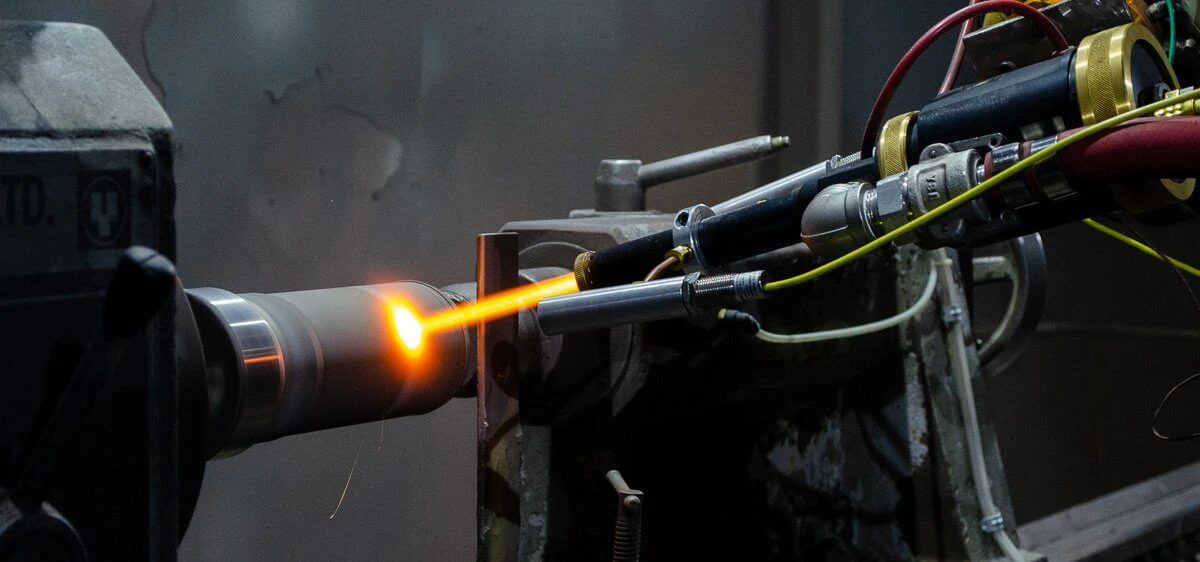
The term HVOF coating refers to a thermal spray technique where a high-velocity jet of combustion gases propels coating material particles toward a surface at supersonic speed. Known for producing dense, tightly bonded layers, this method enhances surface properties without significantly affecting the base material’s integrity.
One of the primary objectives of HVOF coating is to improve resistance to abrasion and corrosion. Parts treated with these coatings often exhibit performance that far exceeds that of untreated components or those treated with conventional methods. The effectiveness of this technique has made it a cornerstone for industries that depend on durable moving parts.
The Role of HVAF Coating in Thermal Protection
While closely related to HVOF, HVAF coating uses a different combustion process that burns fuel with air rather than oxygen. This results in a lower flame temperature and still-high particle velocity. The benefit is reduced oxidation and enhanced retention of material properties during application.
Using HVAF processes, manufacturers can apply coatings that are equally robust but with less risk of altering substrate microstructure. This makes HVAF coating ideal for applications where material properties must be preserved alongside enhanced surface durability.
Key Benefits of HVOF Coating Services
Investing in professional HVOF coating services provides several operational advantages:
- Enhanced wear resistance for sliding, rolling, and impact surfaces
- Improved corrosion protection in harsh environments
- Lower friction and energy loss on moving parts
- Extended maintenance intervals and reduced downtime
When companies partner with reliable HVOF coating services providers, they gain access to process expertise, quality control standards, and performance testing that ensure coatings meet precise industrial specifications.
Understanding the HVOF Process
The HVOF process begins with the preparation of the base material surface through cleaning, grit blasting, or profiling. The coating material – often carbide, alloy, or ceramic powder – is then fed into a combustion chamber where it is heated and accelerated by a jet of gas.
The high-energy stream propels the particles at supersonic speed toward the target surface. Upon impact, the particles flatten and bond, creating a dense, cohesive layer. This transformation is what gives HVOF coatings their high structural integrity and wear resistance.
The precision of the HVOF process makes it especially effective for components such as shafts, valves, gears, turbine parts, and hydraulic elements that undergo extreme mechanical stress.
When to Choose High Velocity Oxy Fuel Coating
The phrase high velocity oxy fuel coating underscores the core mechanism of HVOF technology: using oxygen-assisted combustion to achieve high particle velocities. This enhances coating density and adhesion, resulting in a protective layer that significantly reduces failure rates under load.
Coatings applied through high velocity oxy fuel coating processes show exceptional resistance to both sliding and abrasive wear. They are often chosen over traditional hard chrome plating due to environmental concerns and superior performance under demanding conditions.
How HVAF Spray Enhances Surface Protection
The HVAF spray alternative offers lower heat input during coating, which can be crucial for substrates that are sensitive to thermal distortion. Like HVOF, HVAF spray produces coatings with excellent adhesion and density, but with minimized oxidation and thermal impact.
This makes HVAF spray particularly suitable for metals that can degrade under excessive heat exposure, such as certain stainless steels and superalloys. By tailoring the coating method to the material, manufacturers ensure optimal part performance without compromising structural integrity.
Selecting the Right HVOF Coating Companies
Choosing among HVOF coating companies requires evaluating technical capability, process control, and quality assurance standards. Reliable providers not only deliver coating applications but also support material selection, pre-application preparation, and post-coating inspection.
Look for HVOF coating companies that offer:
- Certified process parameters and traceability
- Experienced technicians with industrial expertise
- Advanced testing and performance reporting
- Material science consultation for optimal coating selection
Partnering with competent firms ensures that coatings perform as engineered and align with operational goals.
Boosting Industrial Durability with Advanced Coating Solutions
Companies offers specialized HVOF coating services and advanced HVOF coating and HVAF coating technologies tailored to industrial protection needs. As one of the leading coating companies with expertise, This helps industries to enhance component durability and uptime with engineered surface solutions.